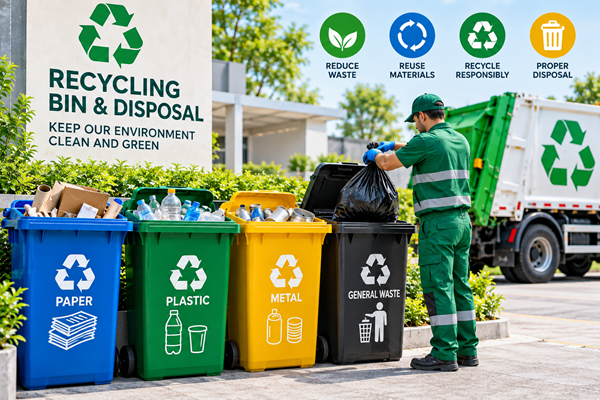
Large cleanup projects can become difficult when waste starts accumulating faster than it can be removed. Renovations, property maintenance, construction work, and major cleanouts all generate materials that need somewhere safe and organized to go. That is why people often search for disposal bins near me when planning a project.
A well-organized disposal strategy keeps debris contained, reduces clutter, and makes sorting easier. More importantly, planning how materials will be handled before work begins can create better opportunities for recycling.
Start With the Type of Waste You Expect
Before deciding how to contain debris, consider what your project will generate.
A renovation might produce drywall, lumber, flooring, packaging, and fixtures. A property cleanout may involve furniture, cardboard, wood, and general household waste. Construction projects can create heavier material streams that require additional planning.
Understanding the waste stream helps you determine how much space you need and whether materials should be separated.
Why Organized Waste Collection Helps
Loose debris can quickly take over a work area. When materials are placed in designated containers, the site stays cleaner and easier to navigate.
Reduce Clutter Around the Project
Keeping waste in one controlled area prevents piles from spreading across driveways, yards, garages, or work zones. This can make everyday project activities more manageable.
It also simplifies the final cleanup because debris is already consolidated instead of scattered throughout the property.
Make Material Separation Easier
Using designated areas for different waste streams can support recycling. For example, clean wood can remain separate from drywall, while cardboard and metal can be collected independently.
When recyclable materials are mixed with general garbage, recovering them may become more difficult. Source separation helps preserve their recycling potential.
Estimate Waste Volume Before Starting
One common mistake is underestimating how much material a project will generate.
Take time to review the scope of work. Are you removing one room of material or renovating an entire property? Are you clearing lightweight household items or heavy construction debris?
Even a rough estimate can help you develop a better waste-management plan.
Consider the Shape of the Material
Volume is not determined by weight alone. Large pieces of wood, cabinetry, furniture, and packaging can occupy considerable space.
Breaking down materials when practical can make containment more efficient. Flatten cardboard, separate components, and stack compatible materials carefully.
Plan Where Waste Will Go
Containment is only part of the process. Eventually, the collected material needs an appropriate destination.
Researching a nearby recycling and disposal facility before the project begins can help you understand where different materials may be accepted.
Knowing the destination in advance also allows you to organize debris accordingly. If recyclable wood, drywall, cardboard, or other materials can be handled separately, you can establish sorting areas from the beginning.
Create a Simple On-Site Sorting System
Waste separation does not need to be complicated.
Label Collection Areas
Clear labels can prevent workers, family members, or contractors from accidentally mixing materials. Categories might include wood, drywall, cardboard, metal, and general waste.
Keep Contamination Low
Food waste, liquids, dirt, and unrelated garbage can reduce the recyclability of otherwise recoverable materials. Keeping collection areas clean makes responsible handling easier.
Review the System During the Project
Waste streams can change as work progresses. Demolition may generate one type of debris, while finishing work creates another.
Check collection areas periodically and adjust your system when necessary.
Think Beyond Immediate Cleanup
A good waste plan can provide benefits beyond keeping a site tidy. Separating recoverable materials can reduce the amount of waste headed toward landfill and help valuable resources remain in circulation.
For businesses, contractors, property managers, and frequent renovators, developing repeatable sorting habits can also make future projects easier to manage.
Instead of deciding what to do with every piece of debris at the end, waste management becomes an ongoing part of the project.
Conclusion
Successful cleanup begins with planning. Understanding the materials you will generate, estimating their volume, creating designated collection areas, and separating recyclable waste can make disposal significantly more efficient.
The goal is not simply to move debris out of sight. A thoughtful system keeps the work area organized while supporting responsible material recovery. With preparation and consistent sorting habits, even large cleanup projects can become far easier to manage.